
Back 4 Blood
ABOUT
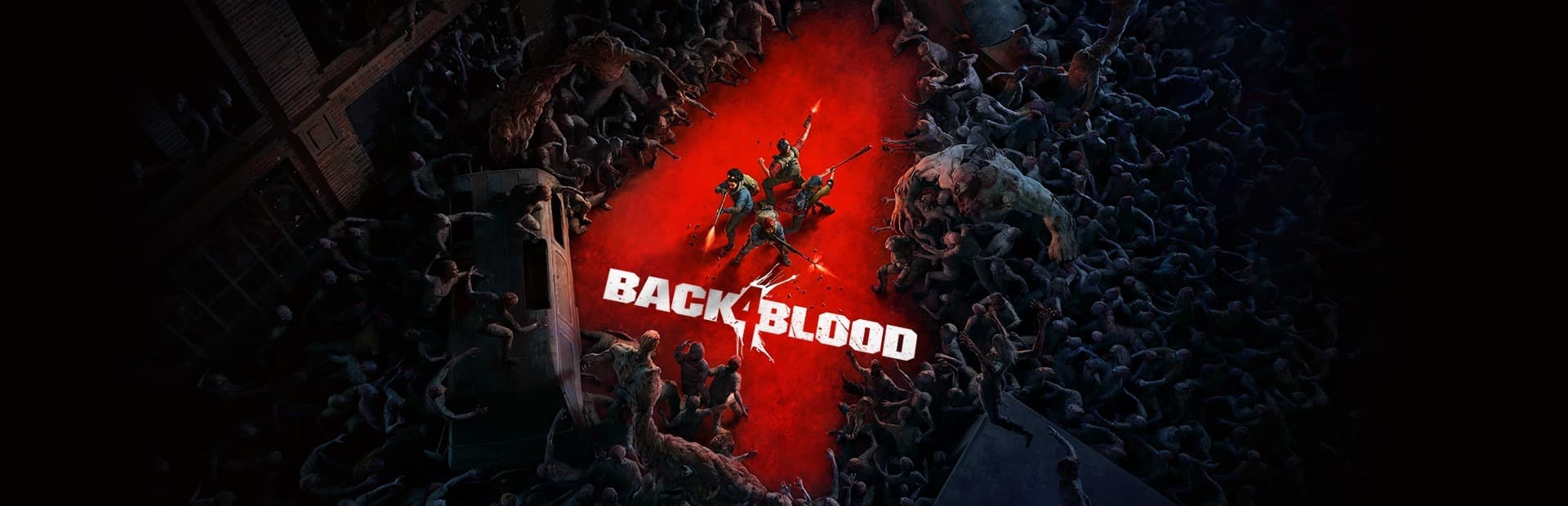
Back 4 Blood is cooperative survival horror built for squads that do not have time to decode the interface. At Turtle Rock Studios I contributed concept exploration, marketing key art, and in-game UI thinking on a spiritual successor to a genre-defining series—so every frame was judged against one bar: does it read in motion, under pressure, when four players are splitting attention between voice comms and whatever just crashed through the door. The brief was atmosphere without confusion. You need dread, fog, and silhouette—but you also need the same tactical legibility a competitive HUD demands: ability state, card trade-offs, weapon condition, and threat proximity. I worked with art and design leads on layouts, lighting reads, and frame systems until the UI felt as considered as the world it sat on top of. What follows is a slice of that work—inventories and cards, progression beats, and the small HUD moments that decide whether a fight feels scary or unfair.
Card and ability UI explorations—frame variants, rarity glow, and circular cooldown reads kept tactical and legible when everything hits the fan.
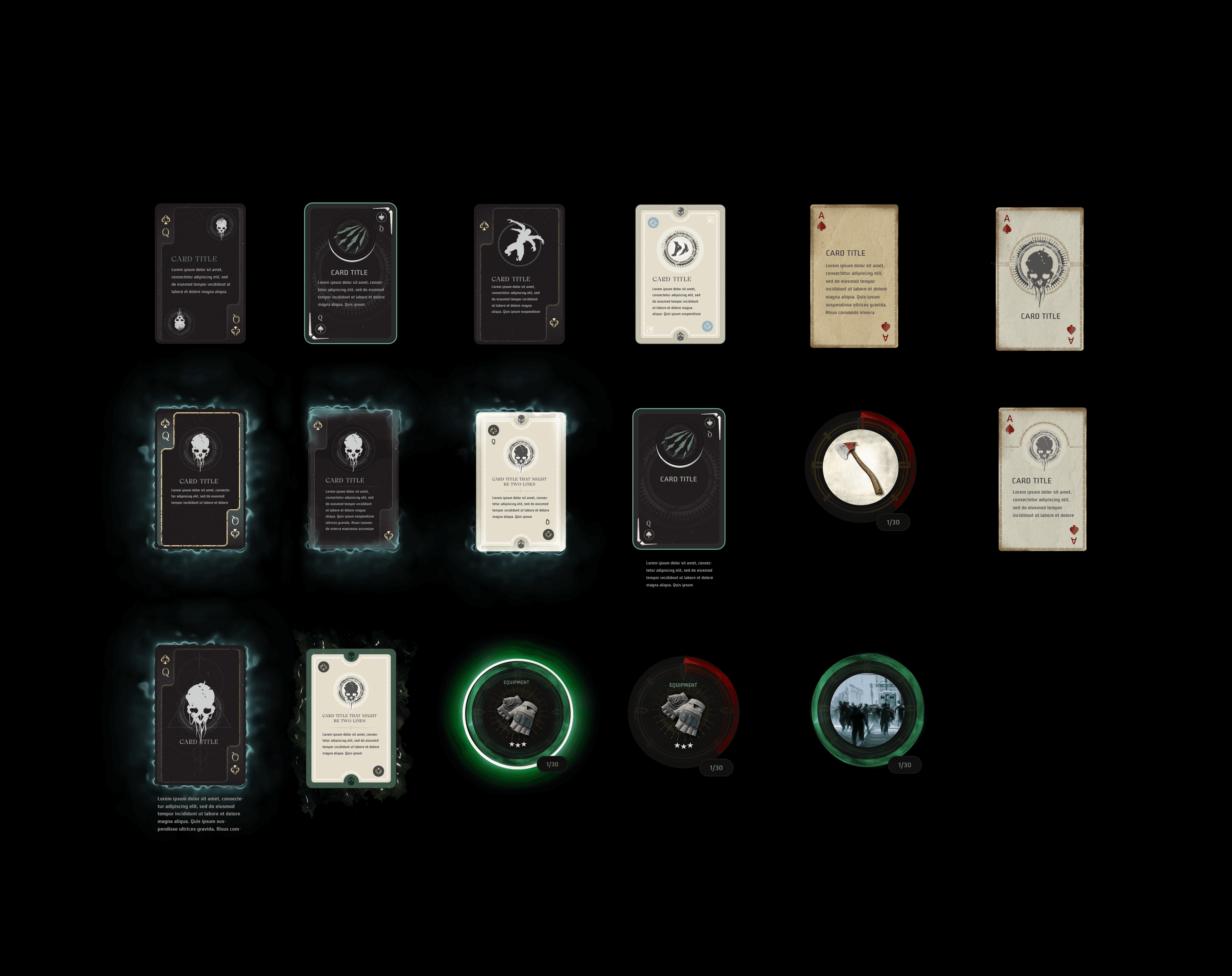
Circular ability HUD: primary/special, secondary, all-charged, and none-ready reads—same green language, different iconography and edge states.
.png&w=3840&q=75)
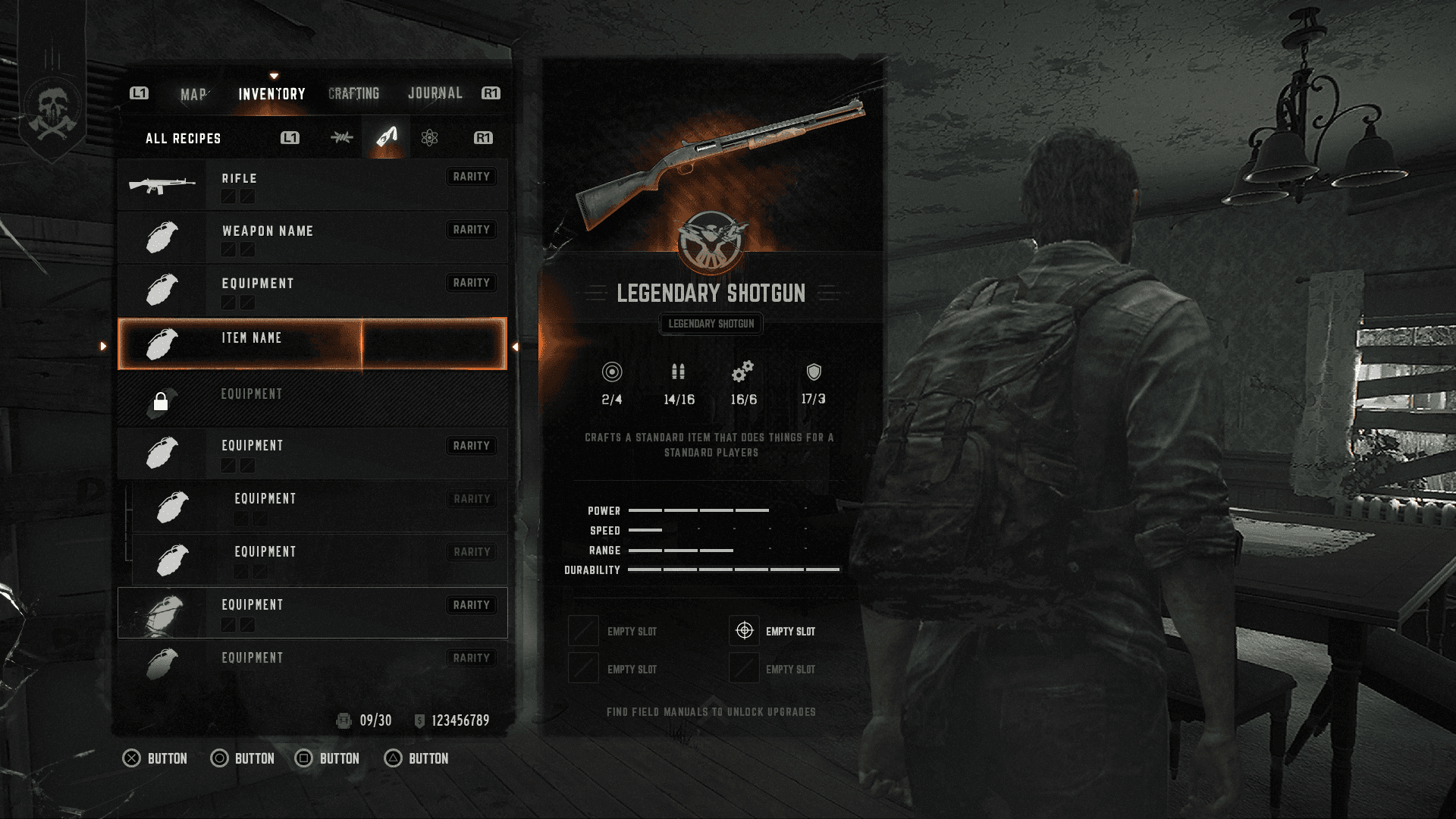
Weapon card layout passes—stat bars vs tally reads, attachment grid, durability warnings, and equip/drop/salvage on one grimy frame system.
.png&w=3840&q=75)
Progression screen: carousel unlock cards, padlock gating, and character plate art anchored to a clear level/progress strip.
.png&w=3840&q=75)
Campaign difficulty flow—three tiers, mission line, start/join, and footer actions over a moody environmental plate.
.png&w=3840&q=75)
Same campaign beat with a difficulty slider and drag affordance so groups can tune threat before hitting start.
.png&w=3840&q=75)

Gameplay loop
Concept exploration and marketing frames for a co-op survival title: weathered gear, cinematic fog, and creatures you can spot from across the map. The focus was dread you can strategize around—readable threats, tactile environments, squad fantasy.
Contextual ping
Contextual ping explorations—quick, readable callouts that surface threats and objectives without stealing focus from the fight. Motion and contrast stay legible at the HUD edge while the squad syncs up.